
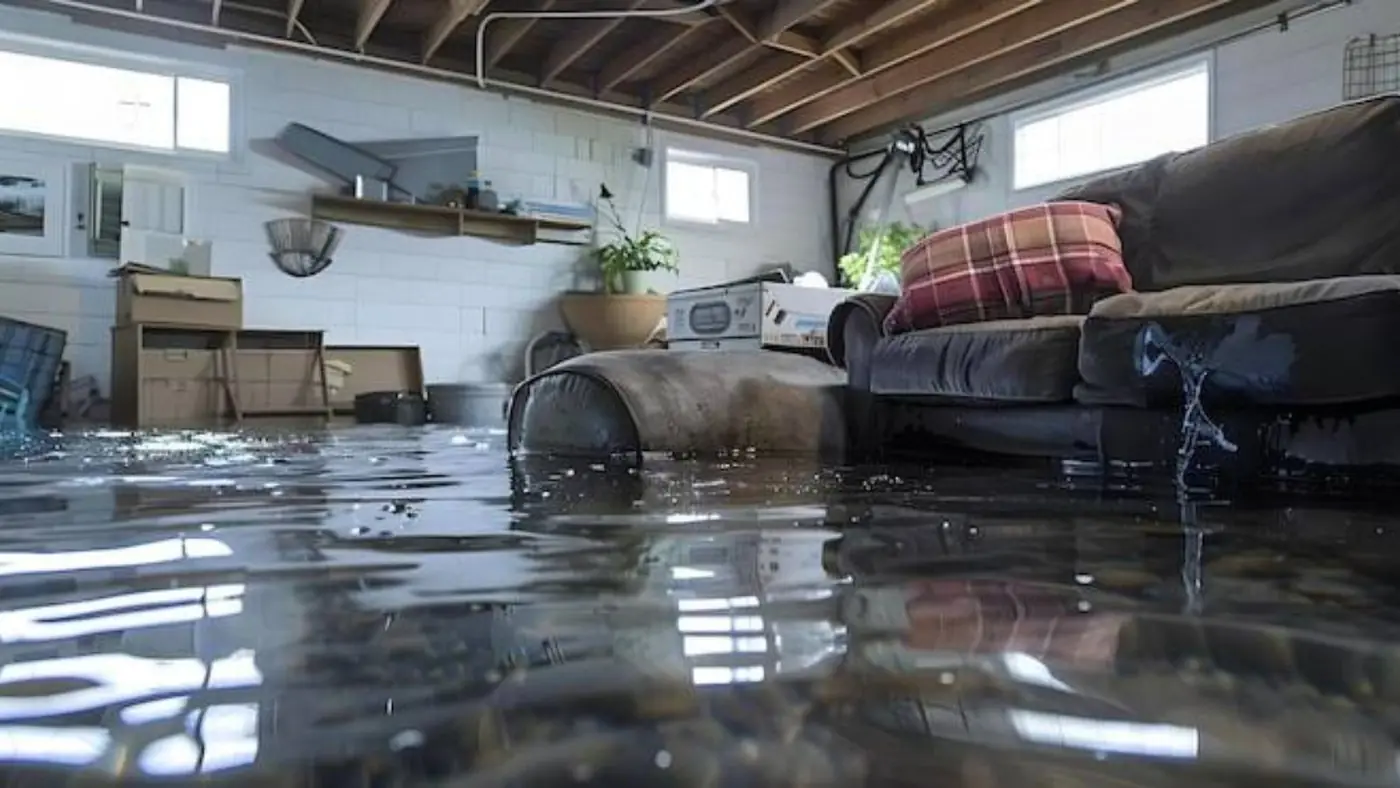
Flood water in a home is an emergency from the first hour, and Loma Linda Water Damage Pros runs 24/7 dispatch for it. While you wait, stay out of deep or dark water, lift valuables and electronics onto dry surfaces, and keep children and pets away. Shut off the main water valve only if the water is coming from a supply line you can reach safely.
Flood damage restoration is the work of removing storm, river, groundwater or sewage water from a structure, then cleaning, disinfecting, drying and documenting everything the water touched in Loma Linda, CA. Flood water carries soil, bacteria and debris, so it is usually Category 2 or Category 3 water. That changes the job, because porous materials are often removed instead of dried.
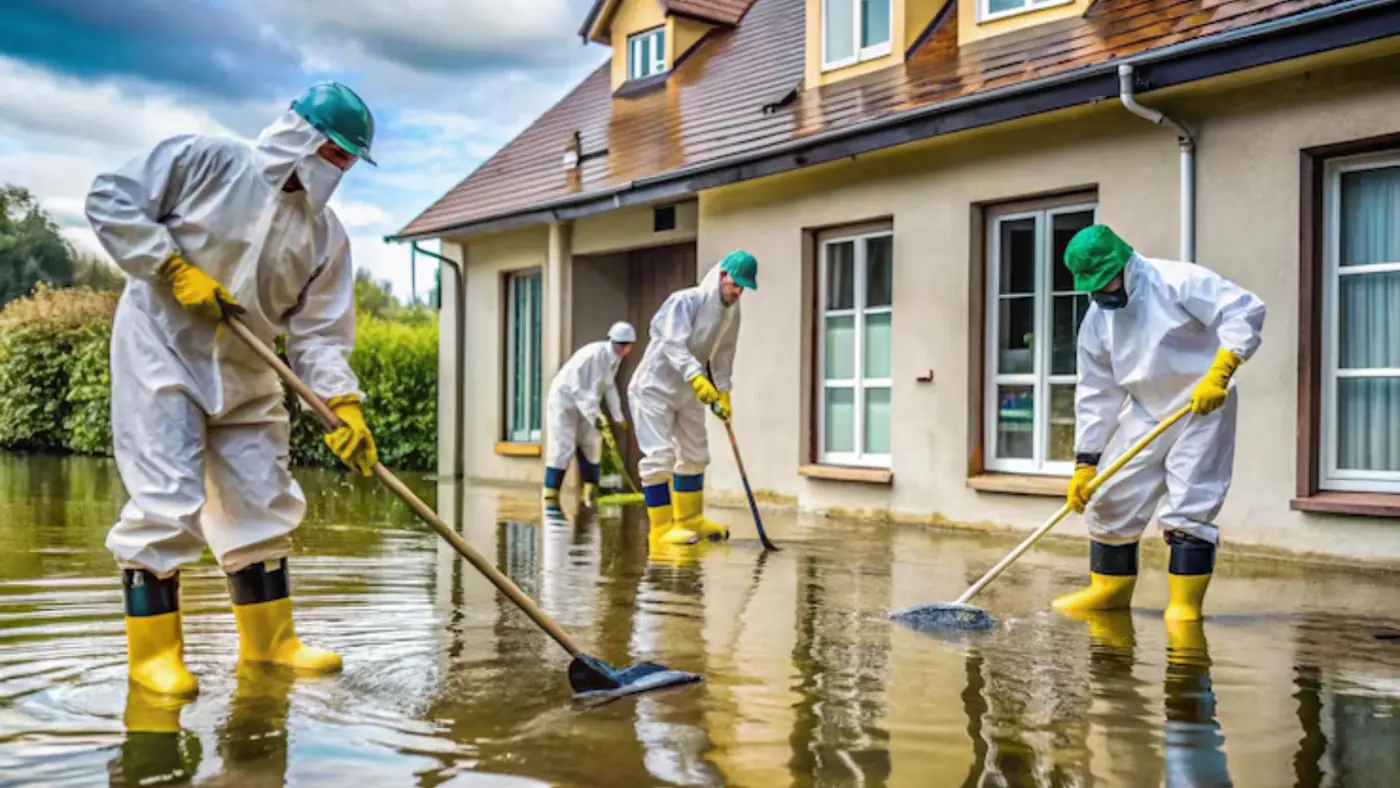
Water is standing in the house right now: what to do first
- Stay out of the water if it is deep, dark or smells like sewage, and keep children and pets out too.
- Cut power to the wet area only if the breaker panel is dry and you can reach it without stepping in water.
- Call the utility or 911 about electrical or gas risk before you call dispatch.
- Photograph the damage before moving anything, then lift furniture, rugs and electronics out of the water.
Electrical and sewage warning
If water is touching outlets, the panel or plugged-in appliances, treat the whole area as live and do not wade in to reach a switch. If sewage is involved, leave the room and keep it closed off until a crew is on site.
Why storms put water in Loma Linda homes
Flooding in this part of the Inland Empire is a regional story. The late December 2022 and early January 2023 storms put runoff in normally dry channels, and Hurricane Hilary in August 2023 brought record mountain rain to the region. The National Weather Service cites no Loma Linda specific damage, but clear gutters and yard drains before a forecast.
The city's FEMA page notes a Letter of Map Revision for the San Timoteo Creek channel, which may affect a homeowner's flood insurance requirement. Check the FEMA Flood Map Service Center for your address, and ask the city's Community Development staff if your lender raises the question.
Homes below the South Hills, where about 1,157 acres are designated hillside conservation, should watch roof, gutter and yard drainage in heavy rain. Loma Linda borders San Bernardino, Redlands and Colton, and our crews work across those lines, including nearby Colton homes and Redlands neighborhoods.
Water categories and what is done with each
| Water category | Typical source | What is done |
|---|---|---|
| Category 1 | Supply line break, clean rain through a roof, sink overflow | Extraction, then drying with air movers and LGR dehumidifiers. Speed matters, because it can degrade to Category 2. |
| Category 2 | Washing machine or dishwasher overflow, sump pump failure, some groundwater seepage | Extraction, cleaning and antimicrobial treatment, removal of wet carpet pad and soaked porous material, then structural drying. |
| Category 3 | Sewage backup, river or storm flood water, rising groundwater carrying soil | Containment, protective gear, removal of porous materials, disinfecting, HEPA air scrubbing where needed, then drying and monitoring. |
Basement Flooding Cleanup
Many homes have no basement at all, so this section covers the ones that do and similar low spaces: crawl spaces, below-grade garages, sunken rooms and lower levels cut into a slope. If your home sits on a slab, water spreads across the floor and into the walls instead, and the same steps apply.
Low spaces collect water because it has nowhere to go. Crews cut power to the area when the panel is dry, then pump the water out with extraction units, in stages if it is deep so walls and slabs are not stressed. Wet drywall is cut above the water line, carpet and pad come out, and what remains is cleaned and treated.
Drying follows. Air movers push dry air across surfaces, LGR dehumidifiers pull moisture from the air, and moisture meters and thermal imaging cameras show where water hides behind finished walls. A below-grade room often needs more equipment days than a room on a slab, since airflow is poor and concrete holds moisture.
Mold needs moisture, and drying wet materials within about 24 to 48 hours helps prevent growth. If growth is already visible, see mold remediation.
Sewage Backup Cleanup
Sewage backup is a Category 3 emergency, and it does not keep office hours. Raw sewage from a floor drain, toilet or tub can carry bacteria, so stay out of the room, keep people and pets away, and do not run water or flush anything that sends more down the line.
Two trades are needed, and they do different jobs. A plumber clears the blockage or finds the break. A restoration crew removes the contaminated water, takes out porous materials the sewage touched, then disinfects and dries the space. Call both at once, because cleanup is wasted if the line backs up again.
The city's Public Works page lists water and sewer together and posts a Sewer Emergency Response Plan. If the problem is the sewer main in the street, call the city. If the backup is inside the house, call a plumber and a restoration crew.
Crews wear protective gear, set containment barriers so contamination stays put, and run HEPA air scrubbers during the work. Household cleaner and a box fan will not do this job.
Flood water in the house?
Dispatch is open 24/7, including nights and weekends. Call now and tell us where the water is coming from.
Call (909) 505-3870Crawl space water and whole-house flooding
Crawl space water hides. Signs include a musty smell, a cold or soft floor above, or a sump that never shuts off. Crews enter in protective gear, extract standing water, check the subfloor and insulation with moisture meters, and set drying equipment. Wet insulation under a floor is usually removed because it holds water against the wood.
Whole-house flooding is the same logic at a larger scale. When water has reached most rooms, crews triage first, stop or divert the source, extract room by room, remove what cannot be dried and set equipment in zones so drying runs in parallel. Expect heavy equipment for several days, then a rebuild phase described on our water damage repair page.
Flood insurance and your policy
California Department of Insurance guidance says a standard homeowners policy does not cover flood. Flood coverage is separate, and National Flood Insurance Program policies usually take effect 30 days after purchase unless a lender requires one, so a policy bought after the forecast will not help with that storm. Check your policy and ask your insurer.
Homeowners policies generally cover other sudden water damage. Stop the leak, dry promptly and keep receipts, but do not make extensive permanent repairs before the adjuster inspects.
What affects the cost of flood restoration
- Water category, since Category 3 needs protective gear, disinfection and removal of more material.
- Affected area and depth, meaning how many rooms are wet and whether a crawl space or lower level is involved.
- Materials involved, because carpet, pad, drywall and insulation are often removed while solid wood and concrete can usually be dried.
- Drying days and equipment count, which depend on room size, materials and how long the water stood.
- Rebuild scope after drying, which is quoted separately from the emergency work.
Insurance can change who pays what, so check your policy first. Ask for your real number by calling dispatch, where the scope is explained before work begins.
Choosing a crew you can verify
Our base is on Mountain View Avenue in Loma Linda, and the crews we send are licensed and insured. Whoever you hire for flood cleanup, confirm the contractor license on the state licensing board's website before work begins.
Our water mitigation page explains the first 24 to 72 hours, and emergency water removal covers smaller pump-outs.
Flood damage questions
Do you handle flood damage emergencies at night or on weekends in Loma Linda?
Yes. Dispatch runs 24/7, including nights, weekends and holidays. Call, say where the water is coming from and whether sewage or electrical risk is involved, and dispatch tells you what to do while a crew is sent as quickly as conditions allow.
Does homeowners insurance cover flood damage?
Usually not. Flood is typically excluded from standard homeowners policies and needs separate flood coverage. Sudden water damage like a burst pipe is often treated differently, so read your policy and ask your insurer.
Will restoring my basement or crawl space stop it from flooding again?
No. Restoration removes the water, cleans and dries the space. It is not waterproofing. Foundation waterproofing, grading, sump systems and drainage are a different trade, so ask a licensed contractor in that field and check the license on the CSLB site.
How long does drying take after a flood?
Usually three to five days, longer for hardwood, plaster or thick insulation. Crews take moisture readings daily and stop equipment only when the structure reaches its drying goal.