
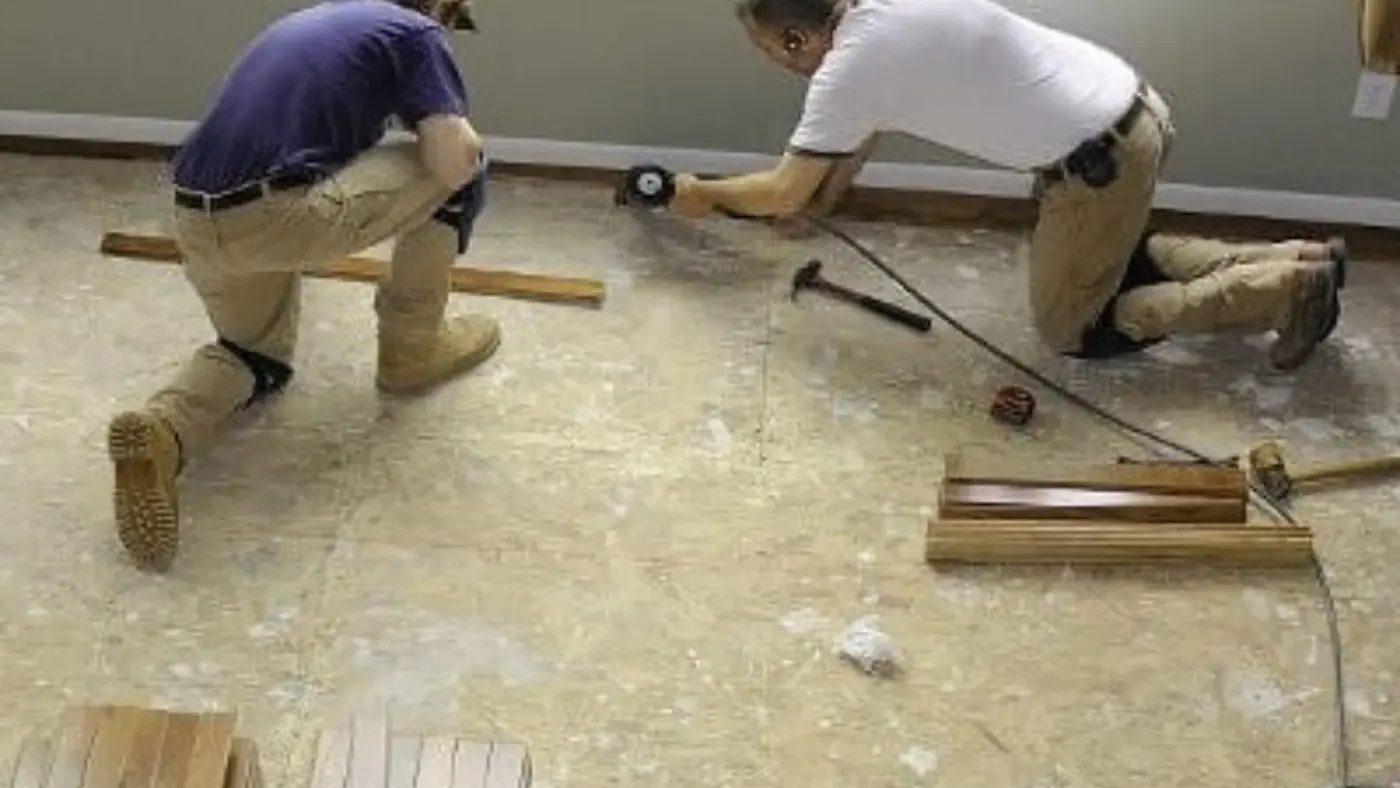
Water damage repair is the rebuild that follows drying. Once moisture readings show the structure is dry, crews replace what could not be saved, such as drywall, insulation, flooring, trim, cabinets and ceilings, then finish with paint so the room looks the way it did before the leak. Loma Linda Water Damage Pros handles that work for homes in Loma Linda, CA.
Repair comes after water mitigation, not instead of it. Rebuilding over wet framing traps moisture, so a good crew confirms dry readings first and shows you the numbers.
What gets rebuilt after a water loss
Walls and ceilings
Wet drywall is cut out, insulation is replaced, and new panels are hung, taped, textured and painted.
Floors
Carpet, pad, laminate, tile and hardwood are replaced or refinished depending on how they dried.
Cabinets and trim
Swollen toe kicks, base cabinets and baseboards are swapped out and matched to what is left.
Ceiling and Wall Water Damage Repair
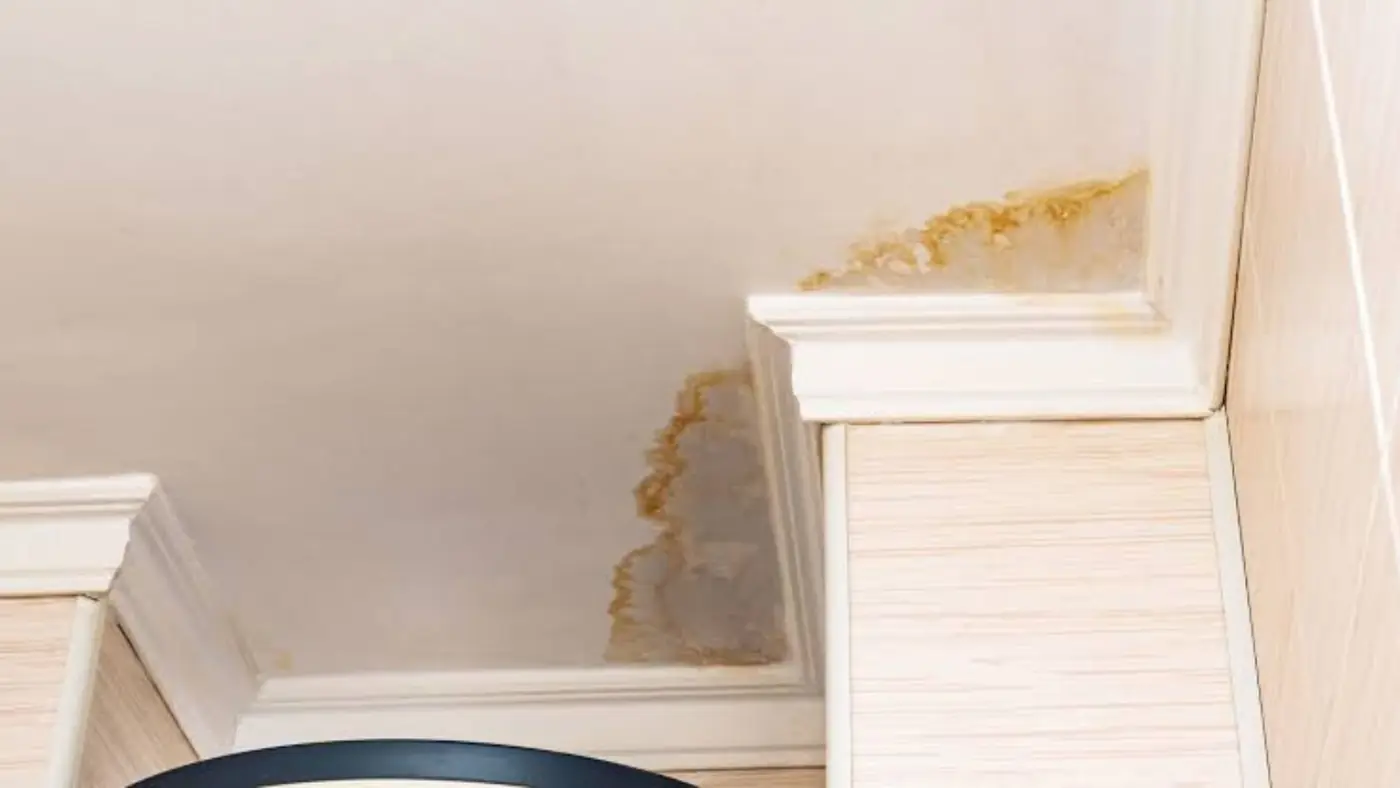
Roof leak stains show up as brown rings on a ceiling that spread after each rain. The ring is only the end of a longer path, so the roof, flashing and attic insulation get checked before paint goes on. Painting over a stain without fixing the source brings it back and can hide a wet panel.
A collapsed or soft ceiling spot means the drywall has lost its strength. It is cut out back to dry, solid edges, the insulation above is checked, and new board is hung, taped, primed and painted. The paint is blended across the whole ceiling so no patch shows in raking light.
A sagging ceiling is a safety problem
A bulge can hold a surprising amount of water and drop without warning. Keep people out from under it, stay clear of nearby light fixtures, and let a crew release and dry it in a controlled way.
A wall hole after a leak is common. The wall is opened to reach wet insulation and studs, the cavity is dried, then the panel is patched or replaced, textured to match and painted. Holes made for drying are closed as part of the same scope.
Hardwood Floor Cupping After Water Damage
Cupping happens when board edges absorb moisture and rise above the centers, so the floor looks like a row of shallow bowls and the seams between boards feel ridged underfoot. It often shows a few days after a washer valve break, a dishwasher failure or a slow leak, once water has traveled under the boards.
Do not sand or replace right away. Wood keeps releasing moisture for days or weeks, and many floors flatten as they dry. Crews take moisture meter readings of the boards and subfloor over time and judge the floor once the numbers level off. Sanding wet wood too early can leave it cupping the other way, and it wastes wear layer you cannot get back.
Once dry, the choice is practical. Boards that are flat enough and not stained through can often be sanded and refinished. Split, buckled or blackened boards are replaced and blended in. Engineered and glued-down floors have fewer options, since thin wear layers can only be sanded so far.
How scope and price get set
People often want a number before anyone has seen the damage. A fair number comes from an inspection, not a guess over the phone, and the work is priced in this order.
- A walkthrough of each affected room, with photos and notes.
- Moisture readings with a meter on walls, floors and ceilings, so wet and dry areas are separated.
- An itemized scope listing each material to repair or replace, room by room.
- The price explained before work starts, including what is in it and what could change it.
You can ask a crew to walk you through the scope line by line. Ask dispatch how much notice an assessment needs and whether a same-day visit is possible, since schedules vary.
Want the damage looked at?
Call now to set up an inspection of the affected rooms and get the scope explained before any work.
Call (909) 505-3870Repair or replace: a quick decision table
| Material | Repair when | Replace when |
|---|---|---|
| Drywall | Dry, firm, with only a surface stain | Soft, sagging, crumbling or touched by Category 3 water |
| Hardwood | Boards flat after drying, light cupping only | Split, buckled off the subfloor or stained through |
| Carpet and pad | Clean water, extracted and dried fast | Pad stayed wet, or the water was contaminated |
| Cabinets | Solid wood or sealed boxes that dried out | Swollen particleboard or peeling faces |
| Insulation | Rarely, and only if clean and lightly damp | Wet fiberglass in a wall or ceiling |
| Ceiling paint | Stain with the source fixed and the panel dry | Panel bulging or tied to an active leak |
Permits, licenses and who files the claim
Some rebuilds need a permit and some do not. The city page says nothing specific about water damage repair, so ask the city building department whether yours does. Building and Safety sits within Community Development at 25541 Barton Road. Hours change and City Hall is closed Fridays, so confirm before you go and book an appointment.
California requires a contractor license for work totaling $1,000 or more in labor and materials, and work under that still needs one if it involves workers or permits. Ask any company for its license number and check it on the CSLB site yourself.
Only 37.9 percent of Loma Linda homes are owner occupied, so most households rent. Tenants should report a leak to the landlord in writing, and landlords should settle who files the claim before repair work begins.
What affects the price of water damage repair
- Affected area, meaning square footage and the number of rooms in the scope.
- Materials, since hardwood, tile, cabinets and trim cost more to replace than drywall and carpet.
- Water category, because contaminated water forces more material out.
- Finish level, such as texture matching, paint coats and hardwood refinishing.
- Drying status, since leftover moisture delays the rebuild and can add steps.
Sudden and accidental water damage is often covered, while gradual leaks and neglect often are not. Check your policy and ask your insurer, and do not make extensive permanent repairs before the adjuster inspects. Ask for your real number by calling dispatch.
Rebuilding with a crew you can check
Our Mountain View Avenue base in Loma Linda sends licensed and insured crews. We also take repair calls from nearby Redlands homes, just east of the city line.
If the loss started as a big event, our flood damage restoration page covers the first phase. If opening a wall turns up growth, see mold remediation.
Water damage repair questions
How soon after drying can repairs begin?
As soon as moisture readings in the framing and subfloor match dry reference material. Starting earlier risks sealing moisture behind new drywall or flooring.
Can you just paint over a water stain on my ceiling?
Only after the source is fixed and the panel is dry and firm. Otherwise the stain bleeds back through, and wet drywall can keep softening underneath.
Will my cupped hardwood go flat again on its own?
Often it improves as the boards dry, which can take weeks. That is why the floor is judged by readings, not by how it looks in week one.
Can I get a price over the phone?
Dispatch can talk through what is involved, but a real number needs an inspection of the rooms and moisture readings. The scope is itemized and the price explained before work starts.
Is a sagging ceiling after a roof leak dangerous?
It can be. Trapped water adds weight and the panel can fail suddenly. Stay out of the room beneath it and call dispatch.
Does insurance pay for water damage repair?
It depends on the cause. Sudden and accidental damage is often covered, and gradual leaks often are not. Check your policy and ask your insurer before permanent repairs.