
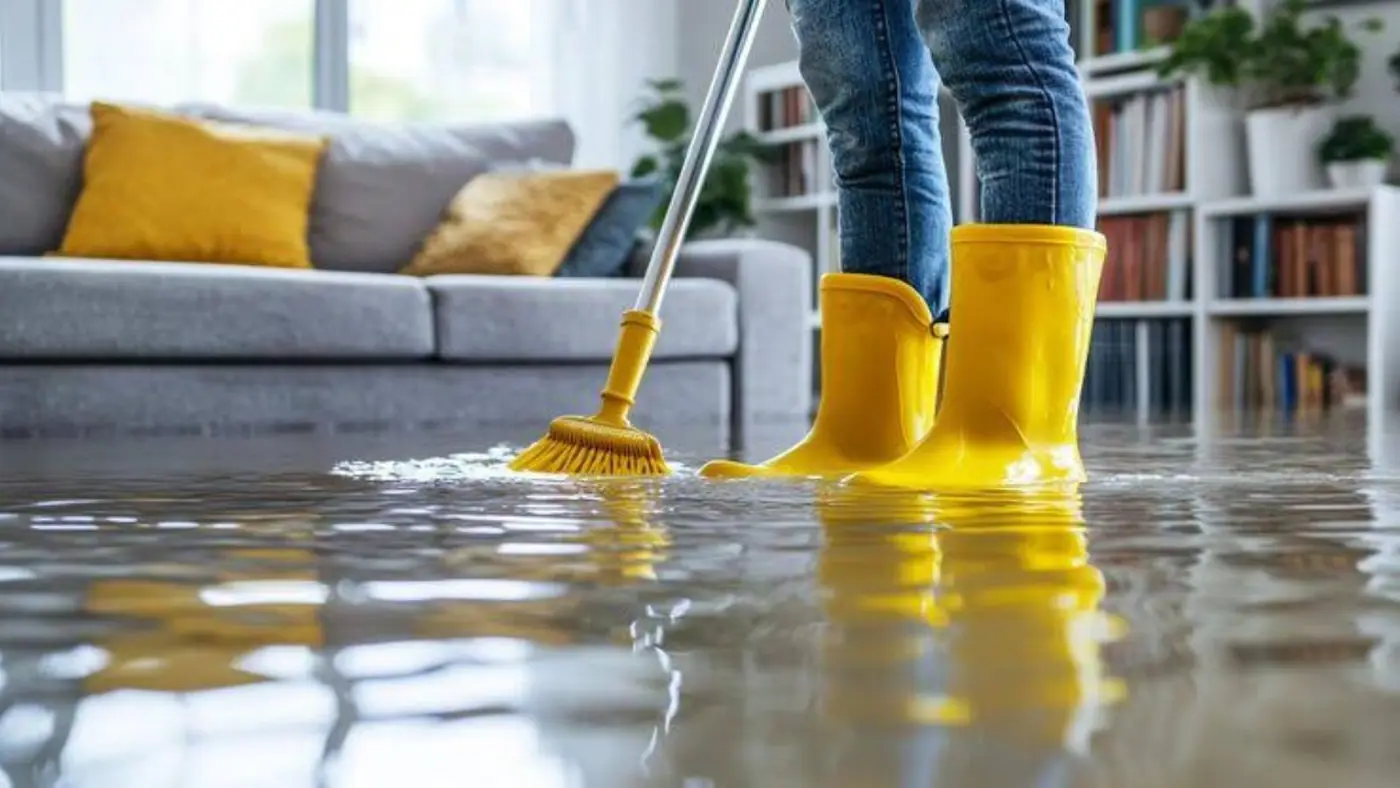
Water damage cleanup in Loma Linda is the hands-on work of removing wet debris, soiled materials and contaminated residue after the water itself has been stopped. It is urgent because wet drywall, carpet pad and cardboard start to break down within a day or two. Our 24/7 dispatch line is open tonight, and the first 48 hours matter most.
While you wait, make sure the source is off at the shutoff valve, keep children and pets out of the wet area, and lift small valuables onto dry counters. Cut power to the wet room only if the panel is dry and you can reach it without standing in water.
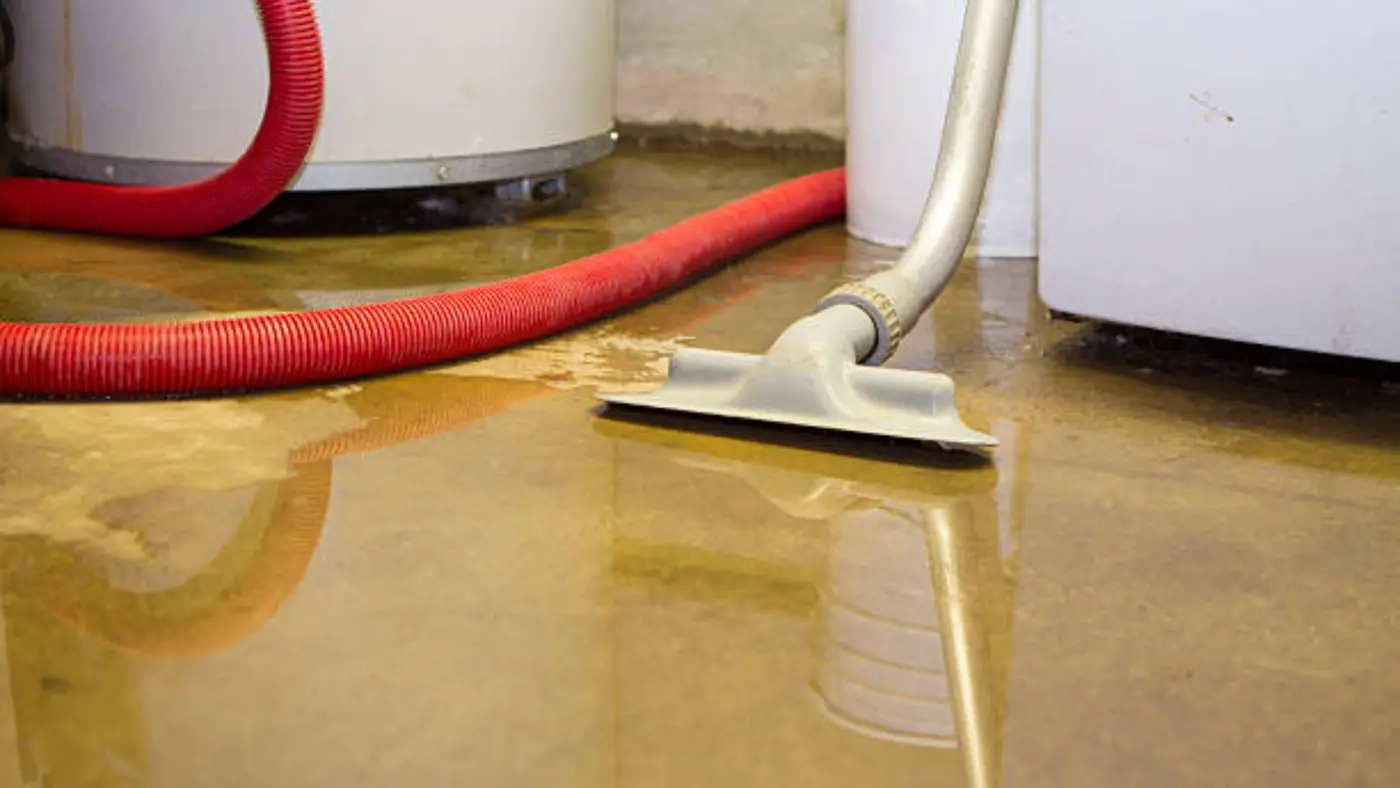
When the Water Is Gone but the Damage Is Still Spreading
A mopped floor is not a finished job. Water wicks up drywall, soaks into the pad under carpet and settles in the cavity behind baseboards where you cannot see it. Clean water sitting for a day or more can pick up bacteria and stop being clean water at all.
Cleanup is the stage where we pull out what cannot be saved, wash and sanitize what can, and leave the structure ready for drying. It sits between emergency water extraction and the drying setup described on our water mitigation page.
Stay out if any of this is true
If water has reached an outlet, a panel, a ceiling light or an appliance, do not touch anything electrical while standing in or near the water. Call the utility or 911 for any electrical or gas risk before you call us.
If the water came from a sewer line or toilet backup, treat every surface as contaminated. Do not walk through it, do not run the vacuum, and keep people and pets out until a crew has assessed it.
What a Cleanup Visit Actually Covers
- Removing standing residue, silt and wet debris from floors, closets and cabinets.
- Cutting out and bagging materials that are too wet or too contaminated to keep, such as carpet pad, soaked insulation and swollen particleboard.
- Cleaning hard surfaces and framing with detergent, then applying an antimicrobial treatment where the water category calls for it.
- Deodorizing the affected rooms with HEPA air scrubbers and, where needed, thermal fogging or hydroxyl units.
- Sorting your belongings into keep, clean and discard piles, with a pack-out to storage when a room has to be emptied.
Moisture meters and a thermal imaging camera guide where we cut and where we stop, so only what has to go is removed.
Cleanup Decision Table by Water Category
The ANSI/IICRC S500 water damage standard sorts water into three categories. The category decides what can be cleaned and dried in place and what must be removed. Ask any company whether its crews work to S500.
| Category and source | Dried and cleaned in place | Usually removed |
|---|---|---|
| Category 1: clean supply line, tub overflow, sink overflow caught early | Hardwood, subfloor, drywall and carpet with pad, if dried promptly | Anything that stayed wet for days, swollen particleboard, wet insulation |
| Category 2: washing machine or dishwasher discharge, aged Category 1 | Hard flooring and framing after cleaning, some carpet with a fresh pad | Carpet pad, soaked drywall low on the wall, wet baseboards, upholstered items |
| Category 3: sewage, toilet overflow with waste, storm or river water | Sealed concrete and bare framing after cleaning and sanitizing | Carpet and pad, drywall, insulation, cabinet toe kicks, porous contents |
Contents Salvage: What Usually Gets Saved and What Does Not
Hard, nonporous items such as glass, metal, solid wood furniture and plastic storage are usually cleaned and kept. Photographs, documents and electronics are worth asking about, since some can be dried and others cannot.
Mattresses, upholstered sofas, particleboard shelving, stuffed toys and open food are commonly discarded after Category 2 or 3 water. Even in Category 1 loss, anything that sat wet for several days may not recover. We will tell you honestly when something is not worth the cleaning cost, and you decide before anything is thrown out.
A pack-out moves contents to secure storage so the room can be cleaned and dried. Each box gets a written inventory, which helps with insurance.
Odor Control, Handled Honestly
A water smell comes from wet material, so the lasting fix is removing or drying that material. Spraying fragrance over a damp carpet pad only hides the problem for a day. HEPA air scrubbers, cleaning of the surfaces and sealing of stained framing handle most odors once the source material is gone.
Some smells linger. Sewage residue in porous wood or a cabinet that stayed wet for days can need repeat treatment or replacement. We would rather say that up front than promise a single pass will do it.
Water is off but the cleanup cannot wait
Call dispatch any hour, including same-day and after-hours requests. Tell us what the water came from and what it touched.
Call (909) 505-3870Sewer Backups, Rentals and Local Details in Loma Linda
City Public Works lists water and sewer together and posts a Sewer Emergency Response Plan. If the problem is in the street sewer main, the city is the right call. If the backup is inside your house, you need a restoration crew for the cleanup and a plumber for the line, so call both rather than waiting on one.
Only 37.9 percent of Loma Linda homes are owner occupied, so a lot of cleanup calls come from renters. If you rent, tell your landlord in writing right away, then photograph the damage and your belongings before anything is moved. That record protects you and helps your renters policy if you carry one.
Homes near Loma Linda University, along Mountain View Avenue, Barton Road and Redlands Boulevard, are all covered by the same dispatch line. We serve ZIP codes 92354 and 92350, and we also work next door in water damage in Redlands and Colton homes.
Large Losses and Insurance Documentation
When several rooms or a whole floor are affected, the paperwork matters as much as the cleanup. Take wide and close photographs of every wet room before anything is removed, and photograph the source of the water. Save every receipt for emergency protection work.
- Photograph and video each room, the water line on walls and the failed pipe or appliance.
- Keep samples or photos of flooring, trim and finishes before they are cut out.
- Save the damaged part, such as a burst hose, until your insurer says you can discard it.
- Write down dates, names and what each person told you.
California Department of Insurance guidance says to stop the leak, dry promptly and avoid extensive permanent repairs before the adjuster inspects. We cannot promise what any insurer will approve. Ask your insurer what your policy covers and read the denial reasons carefully if a claim is turned down. Permanent rebuild work is handled separately under water damage repair.
What Affects the Cost of Cleanup
Scope and price are explained before work starts, after an inspection or assessment of the affected area. Cleanup costs usually come down to these factors:
- The water category, since Category 3 needs more removal, protective gear and disposal.
- How many square feet and how many rooms are affected.
- The materials involved, such as carpet, hardwood, drywall or plaster.
- How much contents handling, cleaning or pack-out is needed.
- How long the water sat before cleanup began.
Sudden and accidental water damage is often covered by a homeowners policy, while gradual leaks and neglect often are not. Flood usually needs separate flood coverage, so check your policy. For your real number, call dispatch and describe the loss.
Water Damage Cleanup Questions
Do you handle water damage cleanup emergencies at night or on weekends in Loma Linda?
Yes. Dispatch runs around the clock, including nights, weekends and holidays. Call, tell us what happened and what you have already done, and we will explain next steps. We do not promise an arrival time, since it depends on current calls.
What is the difference between cleanup and mitigation?
Cleanup removes debris and contaminated materials, then cleans and sanitizes. Mitigation sets up the controlled drying, with air movers, dehumidifiers and monitoring. Most losses need both, and they often happen on the same visit.
Can I clean up water damage myself?
For a small Category 1 spill on hard flooring, often yes. Once water has gotten into walls, under cabinets or into carpet pad, or if it came from a sewer, wear protection or call a crew. Hidden moisture is the part homeowners most often miss.
Will my carpet be saved or thrown out?
It depends on the category and how long it stayed wet. Carpet from a fresh Category 1 loss can sometimes be lifted, the pad replaced and the carpet dried and cleaned. Carpet touched by sewage is normally discarded.
What should I photograph for insurance?
Photograph every wet room, the source, the water line on walls and damaged belongings before moving them. Keep receipts for emergency work. Ask your insurer what else it needs.
How do I know the smell is gone?
The smell should fade as wet materials are removed and the structure dries. If it returns, something is still damp. Tell us, and we will check with moisture meters and a thermal camera.